PuriCare
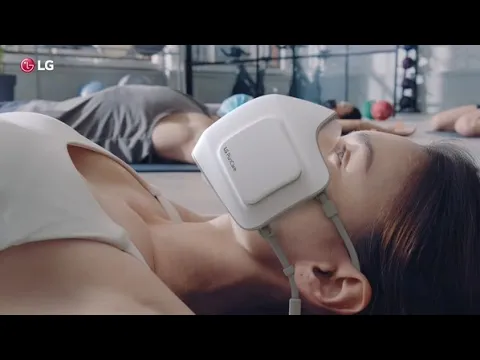
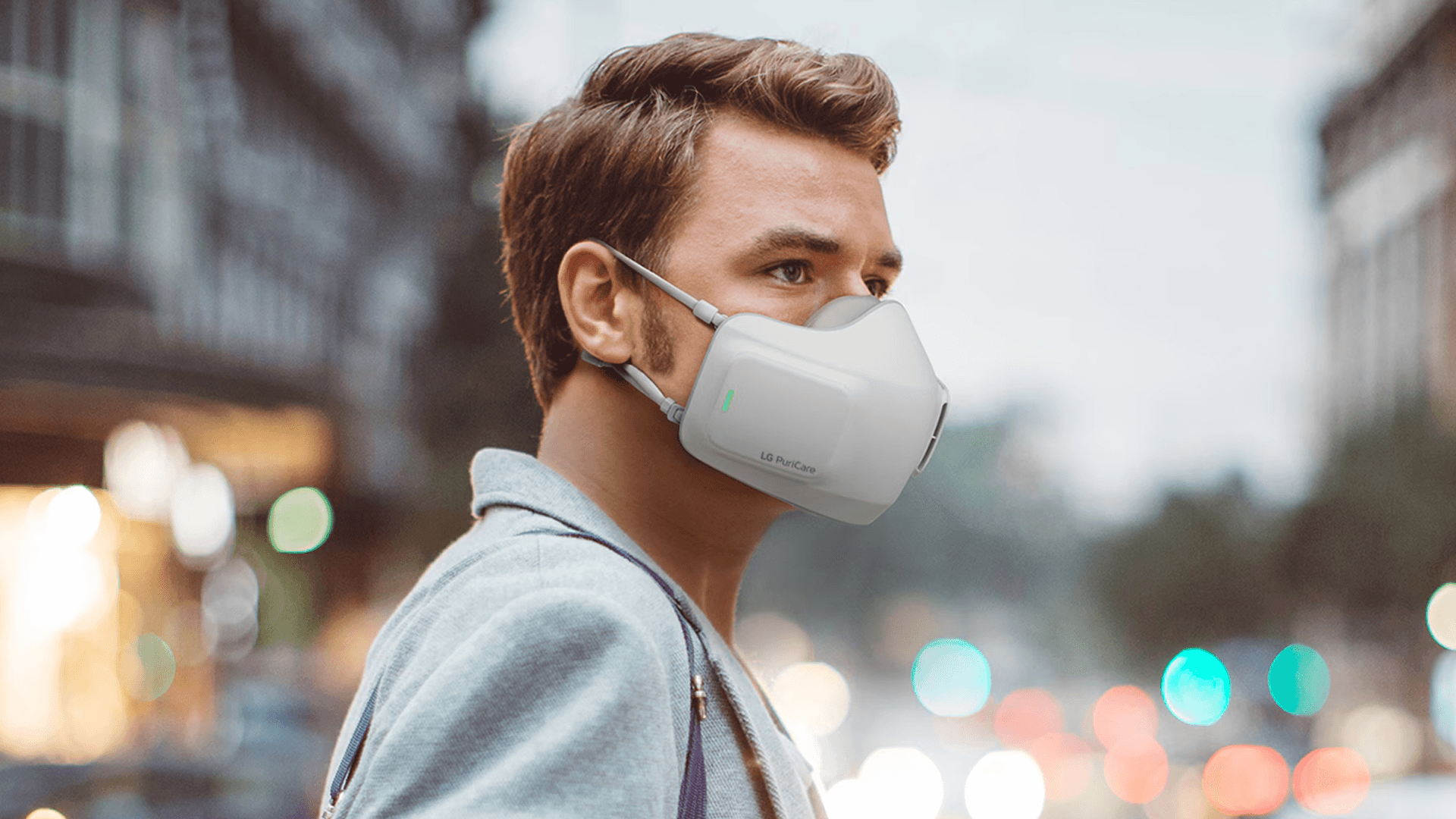
As a UX Researcher at Korea University’s Ergonomics Design Lab, I collaborated with LG Electronics on the early-stage development of what would later become the LG PuriCare Mask. The goal was to create a comfortable, ergonomic air-purifying mask that could adapt to different facial structures while reducing breathing resistance. My work focused on translating anthropometric and emotional data into design insights that guided LG’s product engineers during development.
Designing Comfort for Breathing
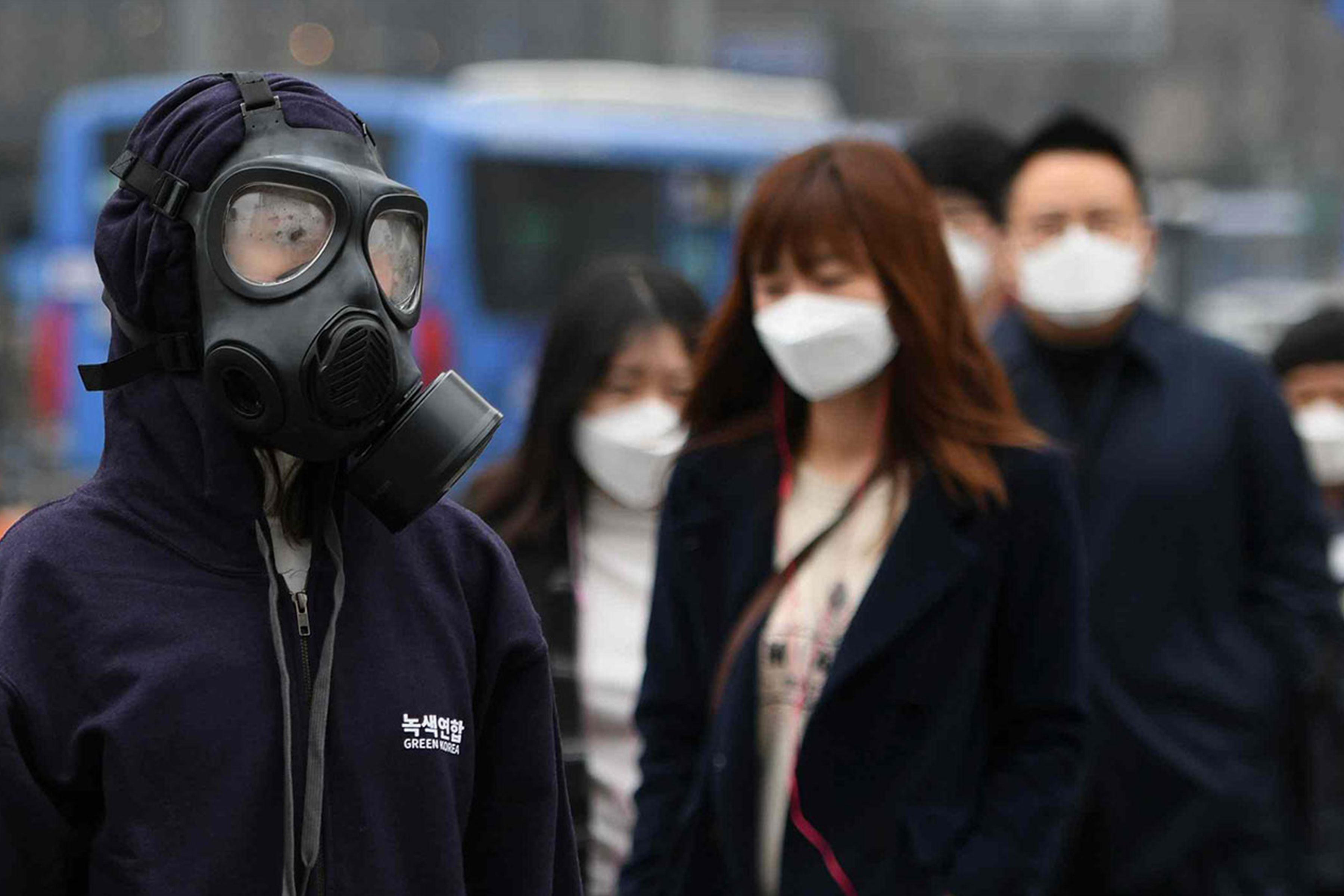
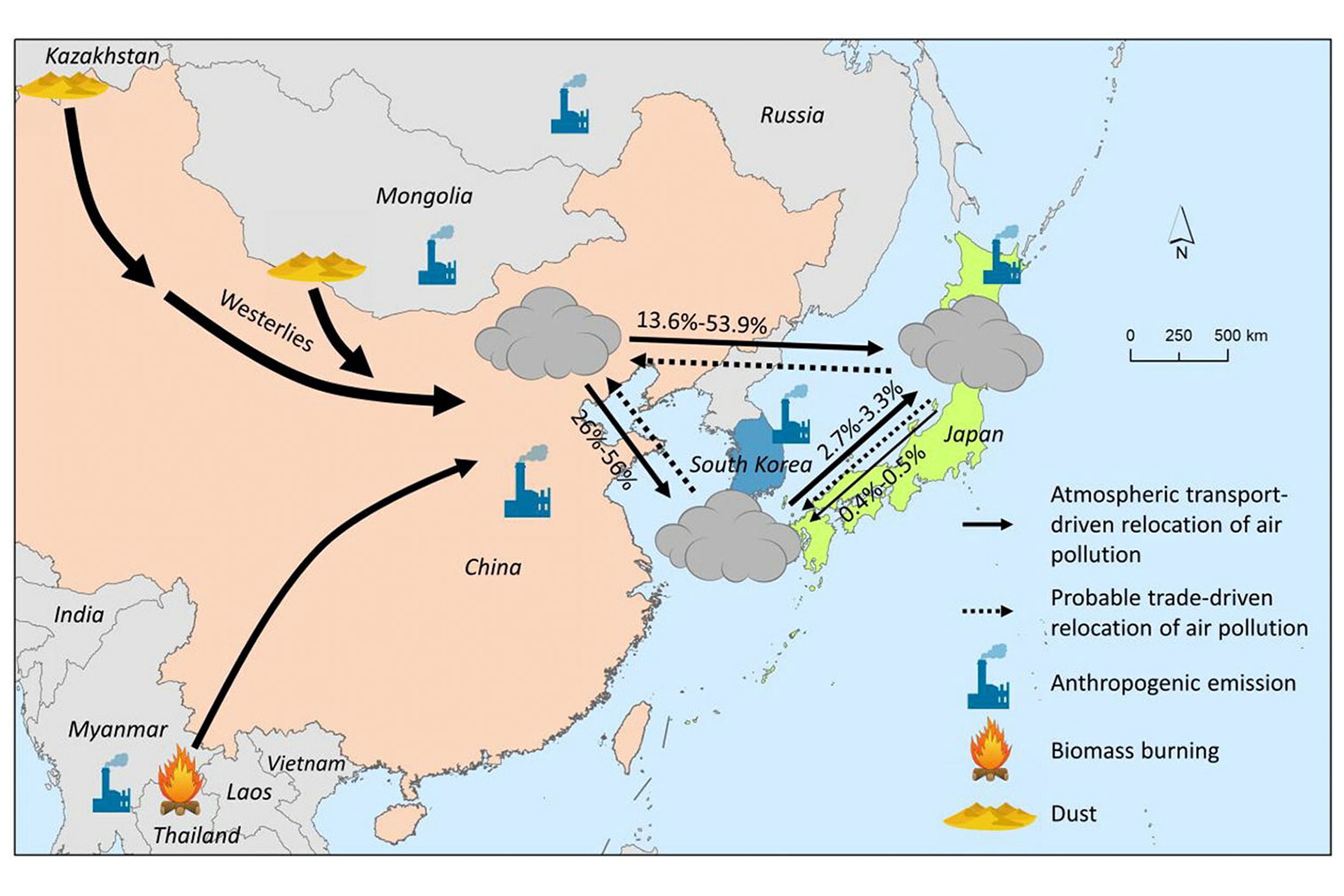
When air pollution in South Korea reached record highs in 2018, LG Electronics set out to redesign one of the most essential products of daily life—the mask. The challenge was not just filtration, but comfort: most masks protected the lungs yet strained the wearer. As a UX Researcher at Korea University’s Ergonomics Design Lab, I joined LG’s early-stage R&D team to explore how design, data, and human factors could come together to make breathing feel natural again. Our goal was to move beyond “fit” and study how ergonomics, material behavior, and emotional perception shape the experience of wearing a mask.
Ergonomic and Anthropometric Research
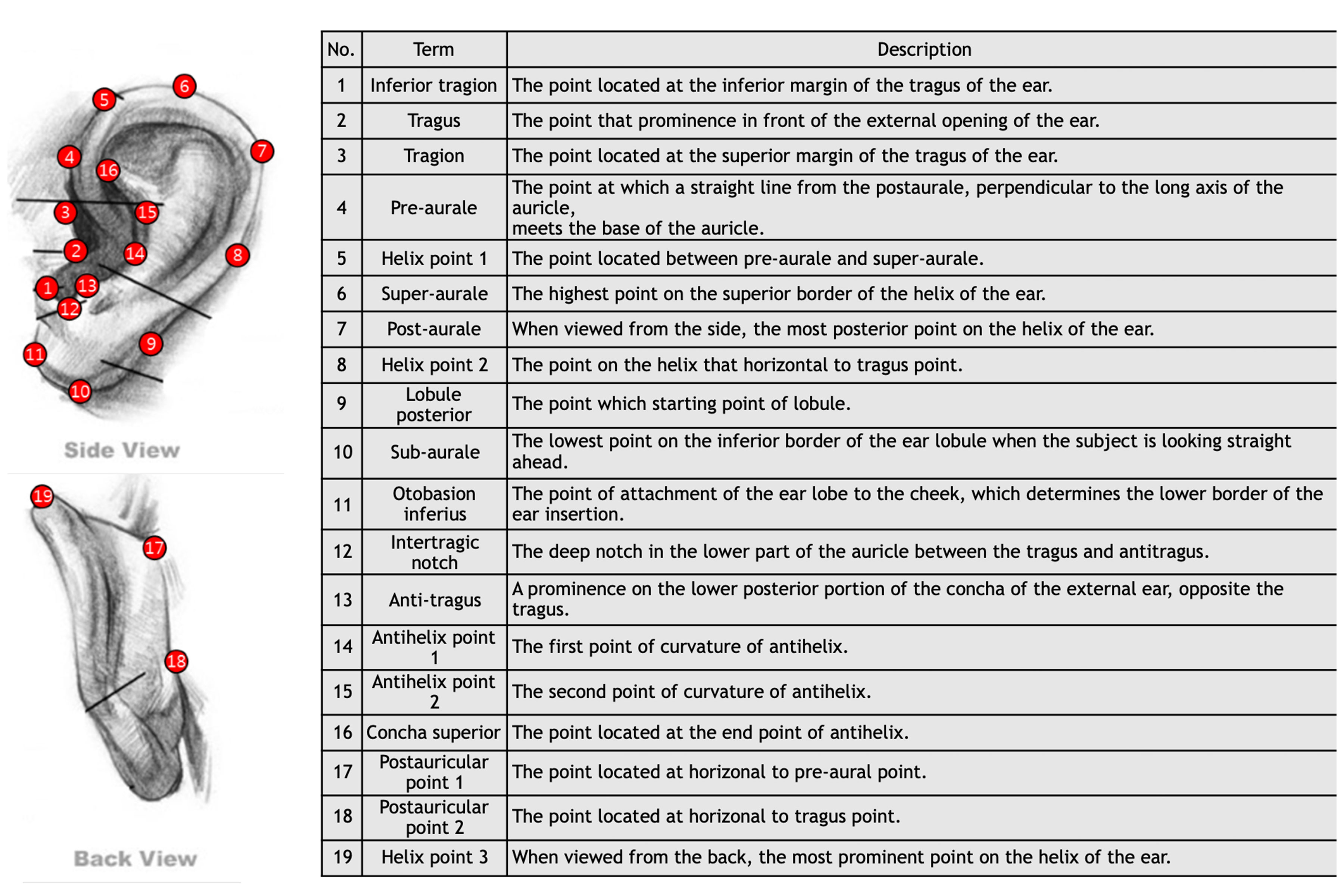
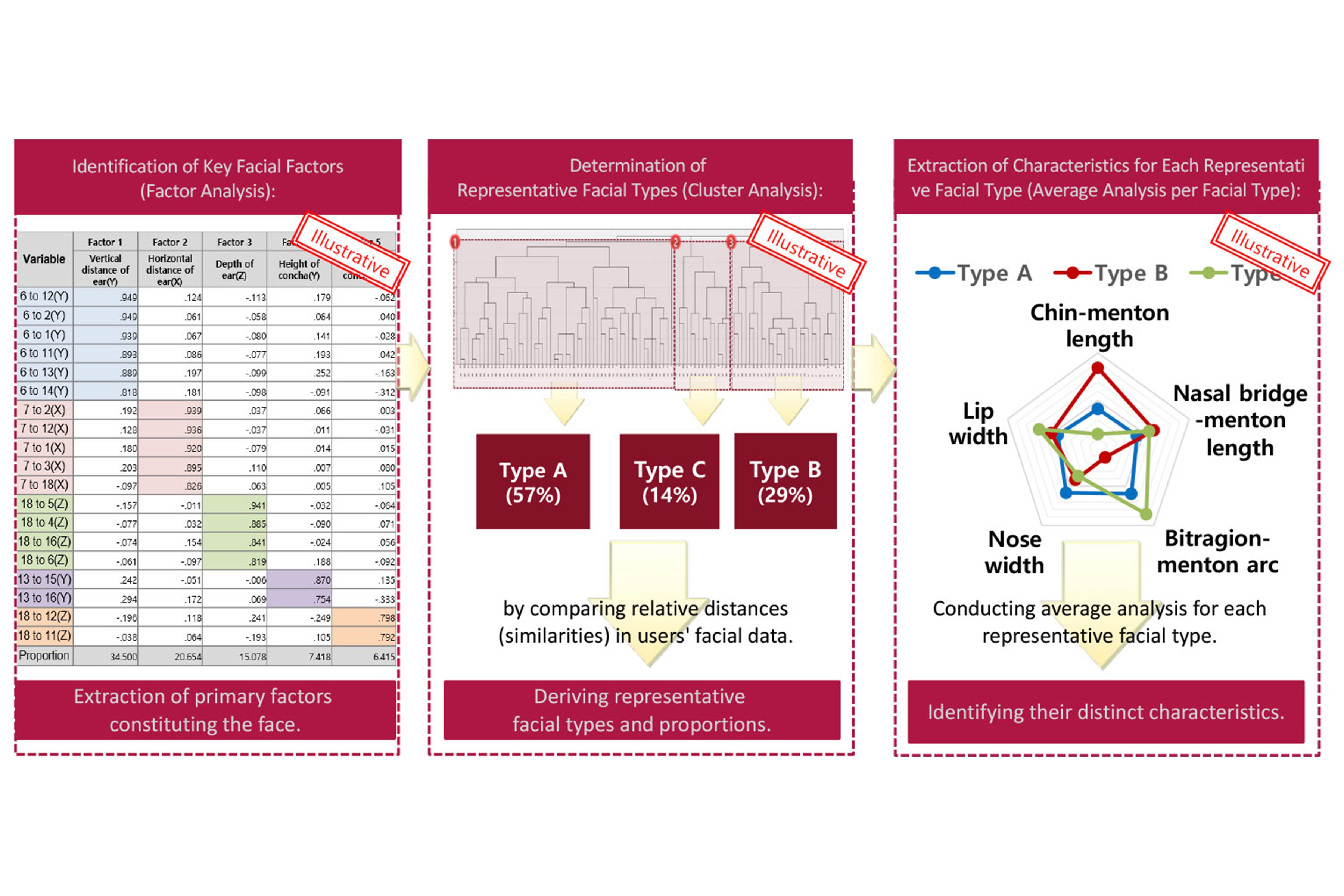
To build a foundation for design, we conducted anthropometric measurements on 80 participants using 3D scanning, 2D imaging, and direct measurement under ISO 15535 standards. We extracted facial landmarks along X, Y, and Z coordinates and used factor and cluster analysis to categorize representative facial types. This process identified key ergonomic parameters — nose curvature, cheek width, and jaw contour — that defined optimal mask fit and support.
From Data to Experience
Physical data alone could not explain why some masks felt more comfortable than others. To uncover emotional and behavioral factors, we ran diary studies where participants documented mask usage scenarios in a 5W1H format. Through KJ method analysis, we mapped these experiences into common pain points such as heat buildup, pressure fatigue, and breath resistance. We also explored the language of comfort through Semantic Differential (SD) scaling, collecting adjectives and emotional cues related to breathability and comfort. By integrating these qualitative insights with ergonomic data, we built a multidimensional framework for evaluating mask comfort — one that combined how it fits with how it feels.
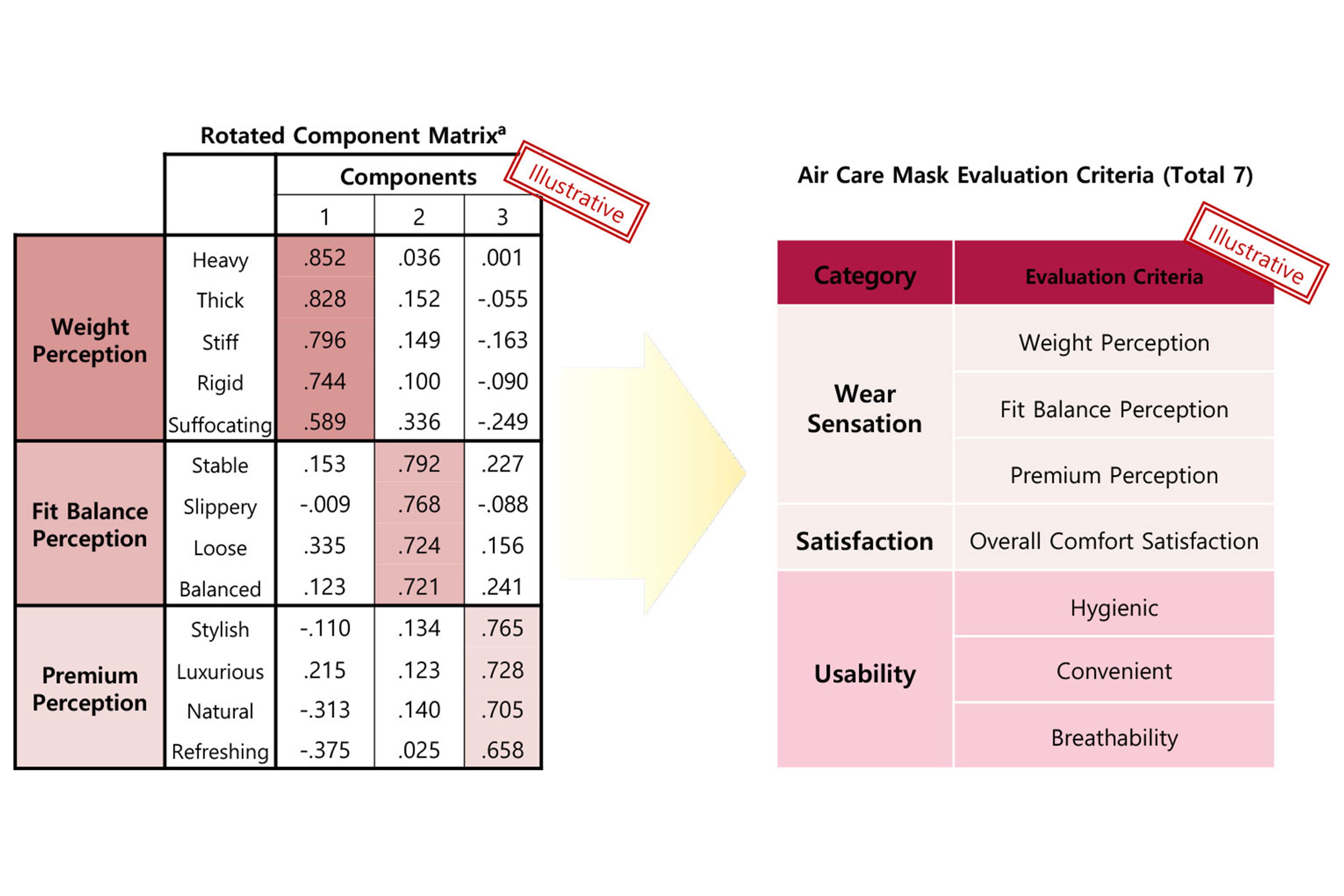
Design Insights
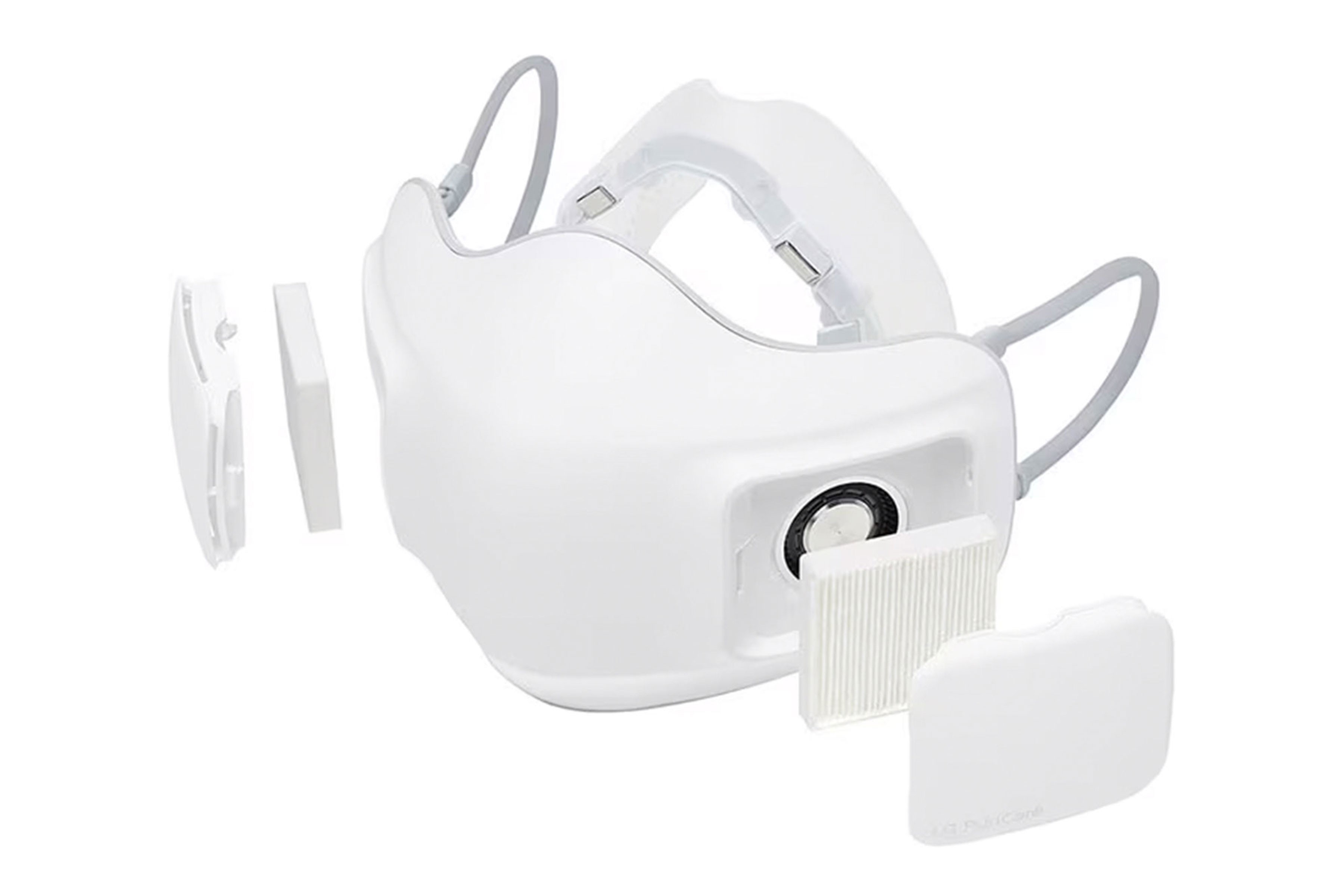
Our findings revealed that mask comfort depends on more than airflow — it relies on pressure distribution and psychological perception of breathability. We proposed separating the mask into two structural components:
1. Breathing Part – optimized for air intake and exhalation.
2. Supporting Part – engineered for flexible yet stable contact with facial contours.
These recommendations guided LG’s prototype development, informing the physical geometry, materials, and internal air pathways of what became the LG PuriCare Mask, launched globally in 2020.
Reflection
Before this project, I approached design mainly through intuition and aesthetics. Through this research, I learned the value of transforming empathy into measurable evidence. Understanding how a dataset of 80 faces could represent thousands taught me how data can humanize design rather than distance it. Although my role concluded after the research phase, seeing our findings reflected in LG’s global launch remains one of the most meaningful moments of my career. It shaped my design philosophy: real innovation begins when engineering precision meets human comfort.
Note: Due to my confidentiality agreement with LG Electronics, all research materials and prototypes were returned, limiting what can be publicly shared.