Spker (WIP)
I founded Spker, a next-generation English-speaking platform that blends AI precision with human connection. After realizing that most AI learning tools fail to build real conversational confidence and that 1-on-1 tutoring remains overpriced and inconsistent, I set out to design a better way: small, structured discussions led by one leader and three participants, built around curated articles and real-world topics. What began in 2025 as a five-member pilot has grown, in just five months, into a community of over 200 paying members and 400 total sign-ups, proving that authentic conversation, not algorithms, drives lasting language growth.
Where it started
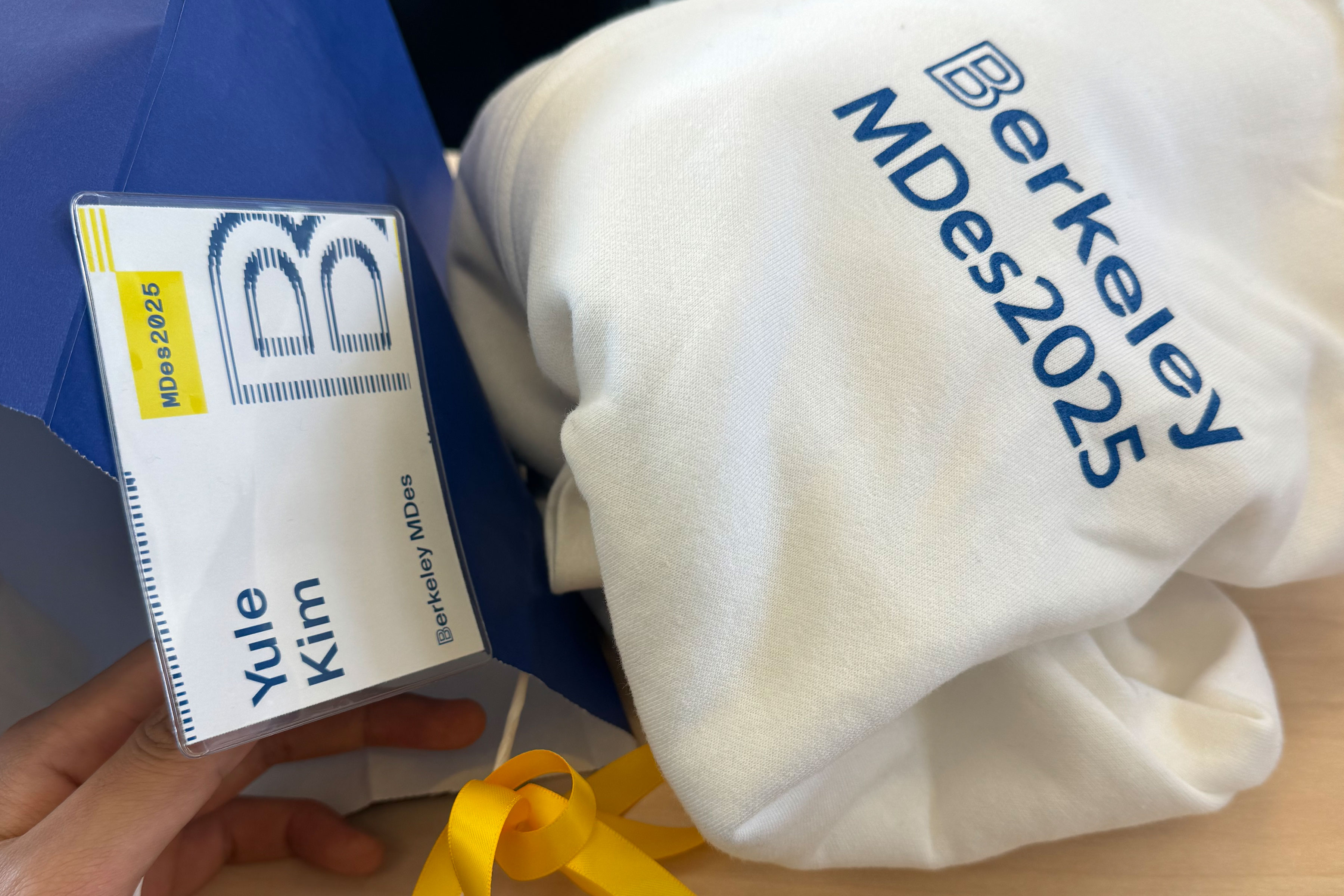
I arrived in the U.S. for the first time in August 2024 after being admitted to UC Berkeley. Having used countless AI-based English learning apps and 1:1 tutoring programs in Korea, I assumed I was prepared. But once I began speaking with people from diverse cultural and linguistic backgrounds, I realized that communication wasn’t just about proficiency but it was about confidence, rhythm, and cultural nuance.
Many of my Asian peers, including myself, struggled to express ourselves fluently, often feeling isolated in group discussions. During one class, a small-group discussion unexpectedly broke that barrier. Through open conversation, I gained confidence and connection. That experience sparked the idea for Spker, a community-driven platform that helps learners build real conversational fluency through structured, small-group discussion.
Crafting the format
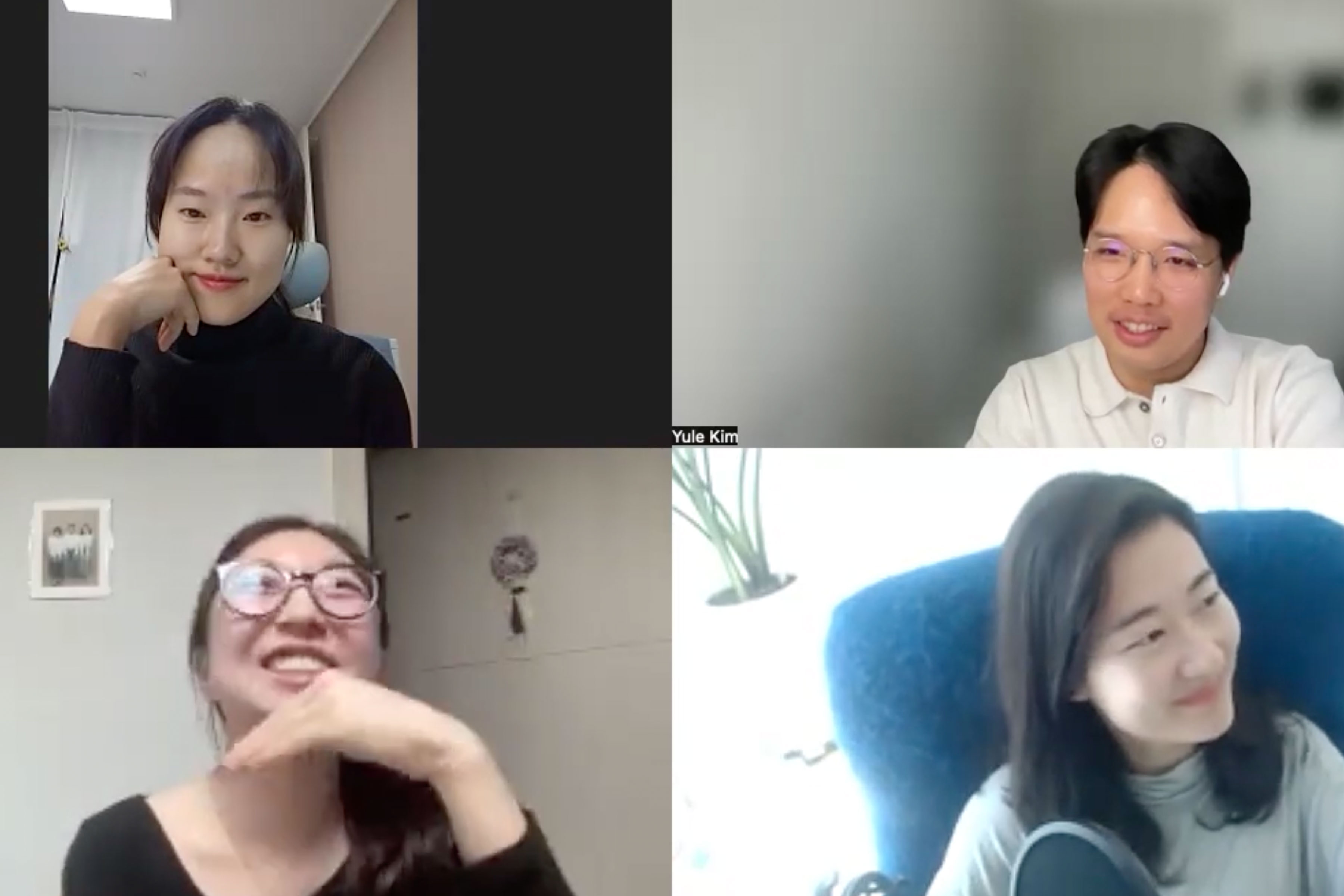
Spker began simply with a few friends at Berkeley and members from my Korean community. We gathered on Zoom to share stories, talk about travel, or discuss challenges in learning English. As the sessions evolved, we found that groups of three participants and one leader created the most natural rhythm for conversation.
We introduced a level system to match learners of similar proficiency, ensuring comfort and confidence. Instead of correcting every mistake, leaders were trained to guide rather than interrupt, helping participants focus on conveying meaning rather than perfect grammar. After each session, participants received an AI-powered feedback report generated through Otter.ai and Gemini, analyzing speaking data, grammar, and vocabulary usage, and offering personalized study plans for continued improvement.
Scaling the system
Automating operations
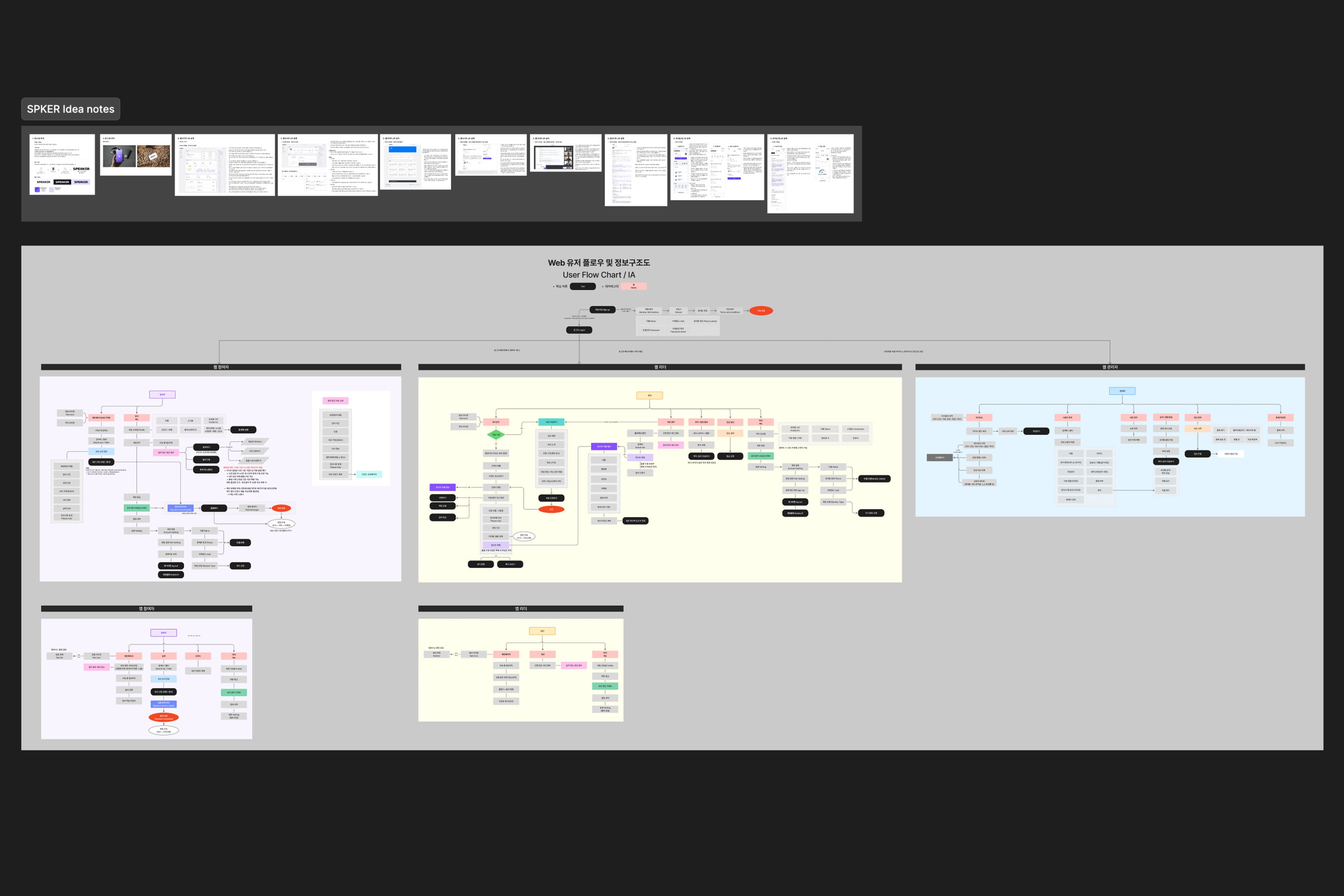
Currently, every process from scheduling to feedback report creation for around 200 people is managed manually by myself. The next phase is to build a web-based automation system where leaders can review, approve, and send AI reports with a single click, reducing operational load and human error.
Strengthening the business model
Spker runs on an accessible pricing structure: $10 per session, with a $100 deposit that ensures attendance and discipline. Leaders receive 50% of session revenue, and most platform income comes from lateness or no-show penalties. Compared to 1:1 tutoring platforms like Ringle or Preply ($25–30 per session), Spker offers an affordable, scalable alternative. Moving forward, the core discussion sessions will remain low-cost, while AI-generated feedback reports will transition into a premium subscription feature, ensuring sustainability without reducing accessibility.
Expanding diversity
So far, most members have been Korean speakers, which limits exposure to diverse pronunciation and expression. We recently recruited nine native-speaking leaders from the U.S. and began pilot sessions with Chinese participants as well. The goal is to create a truly multicultural learning ecosystem that mirrors real-world communication.
Growing community power
Spker is evolving beyond conversation practice into a career and cultural bridge. Many members aim to study, work, or build startups abroad, so we plan to host talks and networking sessions featuring Spker leaders and alumni living in the U.S. This will help transform the community into an all-in-one platform for language learning, study abroad, and career development.
Partnering with SaaS learning tools
While AI feedback reports are effective, they can be enhanced through partnerships with learning apps such as Duolingo, Speak, and Epop. We’ve already secured 40–50% discount partnerships with Epop and BoldVoice, allowing members to integrate structured SaaS learning with Spker’s real conversational practice. In the future, anonymized speech data from Spker sessions could be used to help these companies create more personalized and culturally adaptive learning content.
Reflection
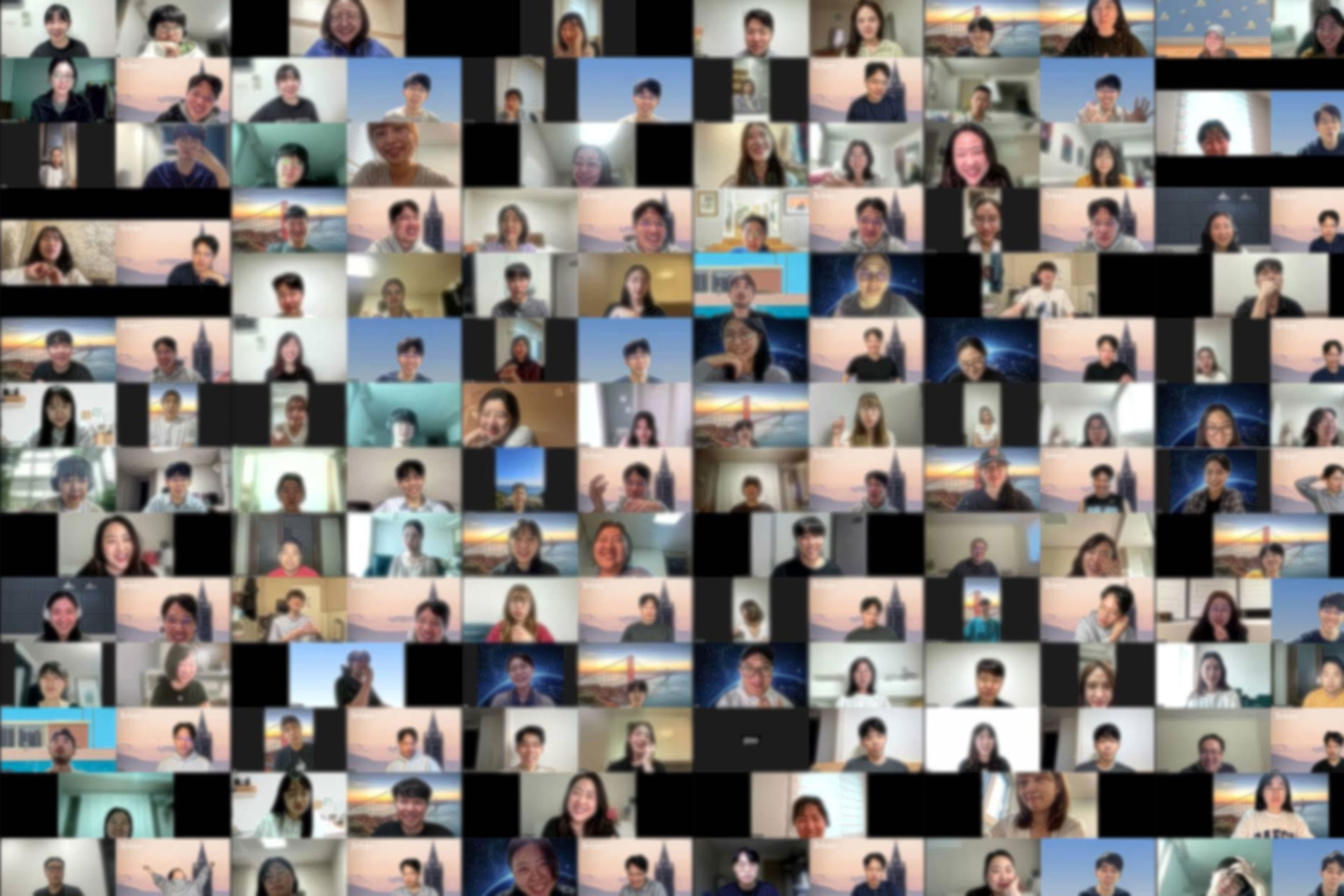
Since its launch in May 2025, Spker has grown to over 200 paying members and 400 total sign-ups in just five months, entirely through word of mouth without ads or a website. Our trial-to-paid conversion rate is 86%, and the retention rate after the first 8-week cycle exceeds 90%, proving the effectiveness of our conversational learning model.
We currently maintain a waitlist of over 100 people, intentionally prioritizing leader training and quality assurance over rapid expansion. Spker’s next phase will focus on automation, AI-driven feedback, and global scaling — turning what began as a small peer conversation club into a sustainable, community-driven platform for real-world communication.
To follow our journey, visit spker